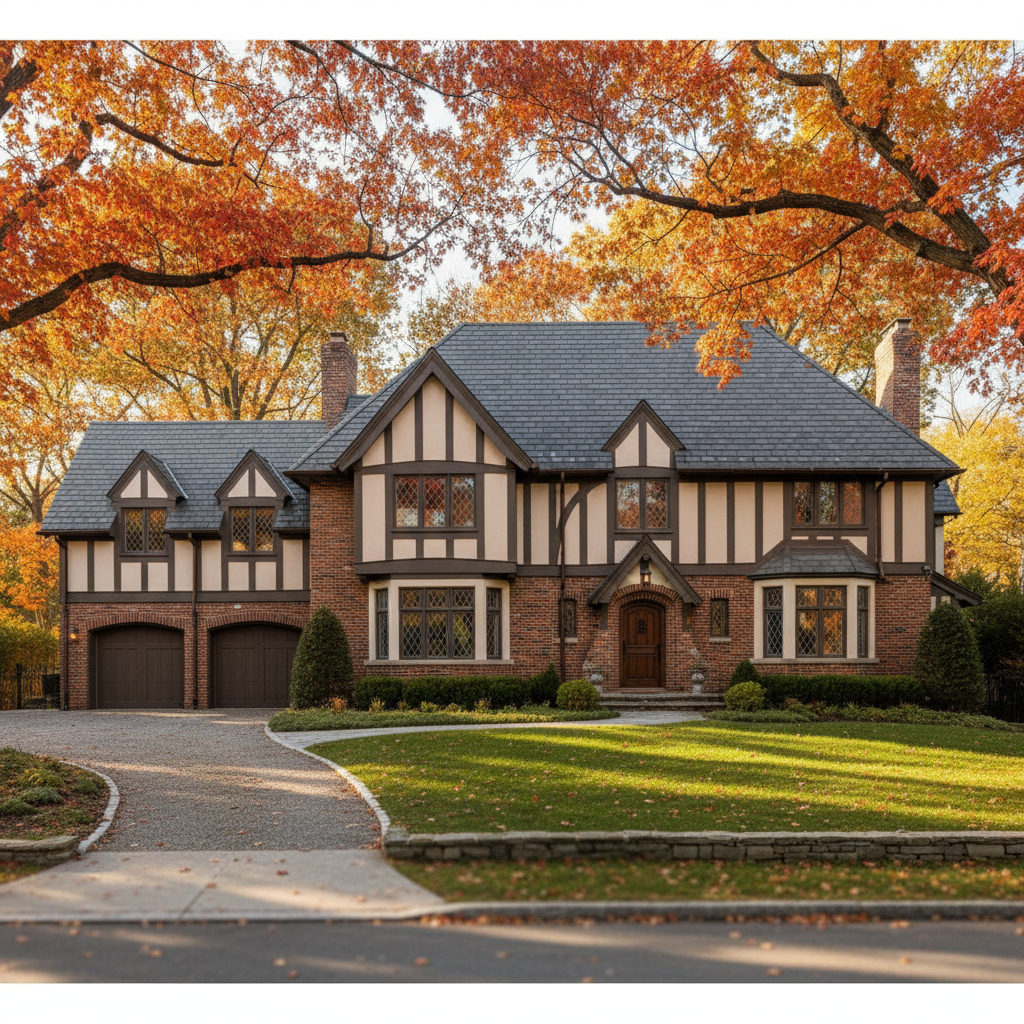
Roof replacement in Westchester County, NY
For most Westchester County homes, an asphalt shingle roof is realistically replaced around 15 to 25 years in — sooner than the national “ideal-condition” ratings, because the county’s freeze-thaw winters, Nor’easters, heavy snow loads, and dense tree cover all wear a roof faster. Replacement timing depends on the material, the quality of the original installation, attic ventilation, and how exposed the house is. This guide covers what shortens a roof’s life here, which materials suit Westchester homes, how long they last, and what to expect on permits.
Why Westchester’s climate is hard on roofs
Westchester sits in a cold, wet, four-season climate that puts roofs through a lot. Freeze-thaw cycles work water into small cracks, where it freezes, expands, and widens them over the winter. Snow and ice loads stress the structure and, when attic heat melts the underside of snow that then refreezes at the cold eave, they create ice dams — ridges of ice that back water up under the shingles and into the decking. Ice dams are one of the most common causes of premature roof leaks in the lower Hudson Valley.
Two local factors add to it. Much of Westchester is heavily wooded, so roofs collect leaf debris, hold moisture, and take abuse from overhanging limbs and falling branches in storms. And the Long Island Sound shoreline communities — Rye, Mamaroneck, Larchmont — see higher winds and salt air that can lift shingles and corrode unprotected metal flashing.
What roofing materials suit Westchester homes?
Westchester’s housing stock skews older and architecturally varied — Tudors, center-hall Colonials, Victorians, and stone-and-stucco homes, plus historic districts in villages like Bronxville and Tarrytown. That mix shapes good roofing choices:
| Material | Typical real-world service life here (years) | Good fit for |
|---|---|---|
| Architectural asphalt shingles | 18–25 | Most homes; best cost-to-performance balance |
| Metal (standing seam) | 35–60 | Modern and traditional homes; sheds snow well |
| Natural slate | 50–100+ | Historic and high-end homes (heavy; needs structure to support it) |
| Synthetic slate / shake | 30–45 | Historic look without slate’s weight or cost |
These are climate-adjusted real-world ranges. National life-expectancy charts (InterNACHI) list higher ideal-condition figures — for example, architectural asphalt at about 30 years and slate at 60–150 — but Westchester roofs typically land below those because of the weather described above. Architectural asphalt shingles remain the most common choice because they balance cost and durability; slate and synthetic slate are popular on the county’s many historic and period homes.
Do you need a permit to replace a roof in Westchester County?
In almost all Westchester municipalities, yes — a building permit is required for a roof replacement, and re-roofing work must meet the New York State Residential Code. The exact process, fees, and inspection steps are set by each town, village, or city building department, so they differ between, say, Yonkers, Greenburgh, and Scarsdale. A reputable contractor pulls the permit for you and schedules the required inspection. Always confirm the specifics with your local building department, or work with an installer who handles permitting as part of the job.
Signs your Westchester roof needs replacing
Watch for curling, cupping, or cracked shingles; bald spots where the protective granules have worn away (often showing up as granule grit in gutters); water stains or daylight in the attic; sagging areas; and recurring ice-dam leaks each winter. A roof in its late teens or twenties showing several of these signs is usually a replacement candidate rather than a patch — and a proper inspection includes the attic, checking decking, ventilation, and insulation, not just the surface.
Frequently asked questions
How long does a roof last in Westchester County?
Most architectural asphalt shingle roofs are realistically replaced around 18 to 25 years in Westchester, with 3-tab shingles sooner. Slate and metal last much longer. The county’s freeze-thaw winters, snow loads, ice dams, and tree cover tend to bring replacement earlier than national ideal-condition estimates.
Do I need a permit to replace my roof in Westchester?
In almost all Westchester municipalities, yes — roof replacement requires a building permit and must meet the New York State Residential Code. The process and fees vary by town or village, and a good contractor handles the permit and inspection for you.
What’s the best roofing material for an older Westchester home?
Architectural asphalt shingles suit most homes on cost and performance. For historic and period homes, natural slate or synthetic slate preserves the look — synthetic versions avoid slate’s weight and high cost while lasting decades.
What causes ice dams, and why do they matter here?
Ice dams form when attic heat melts snow that refreezes at the cold eave, creating an ice ridge that forces water under the shingles. They’re common in Westchester winters and are a leading cause of roof leaks and decking damage, which is why attic ventilation and insulation matter as much as the shingles.
Get a fast, free quote
No inspection visit needed - we measure your roof from satellite imagery and send your quote.