Window replacement in Shelton, CT: what valley homeowners need to know
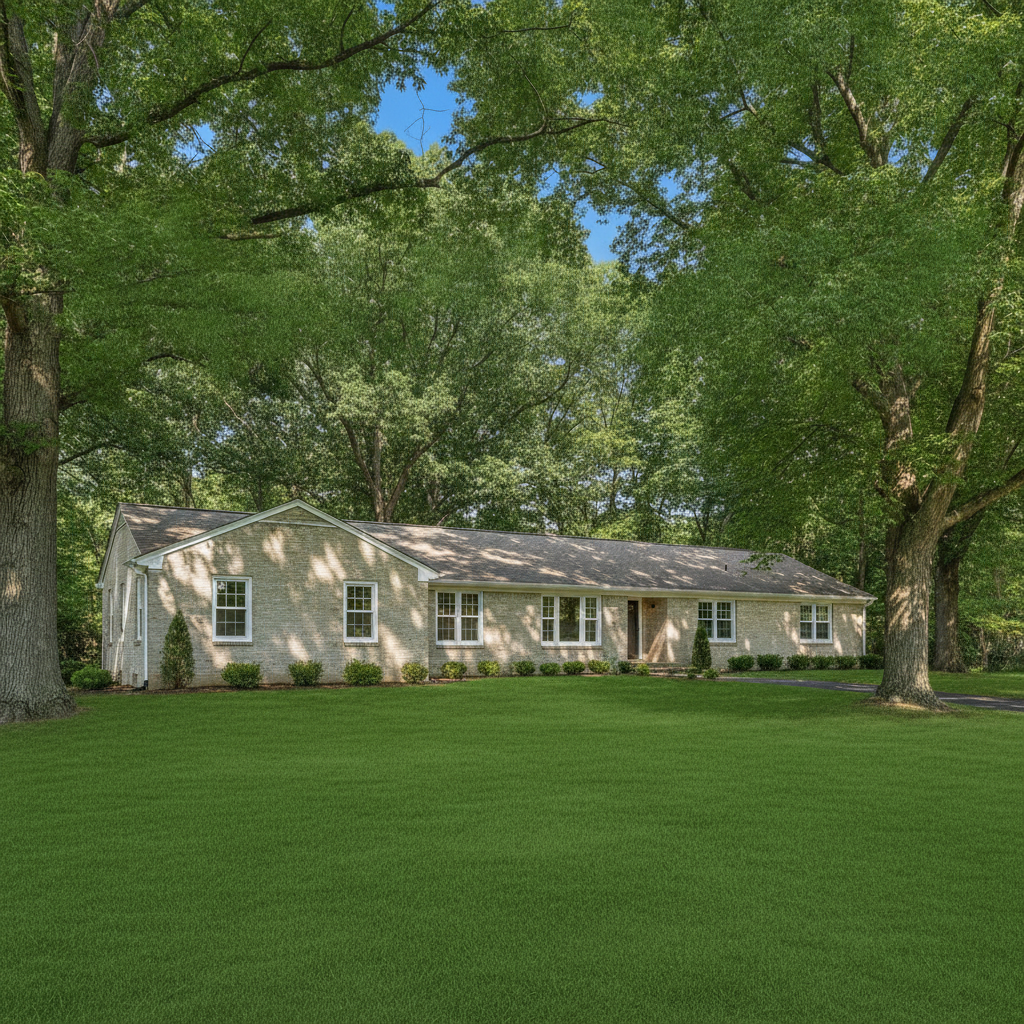
If you own a post-war ranch, split-level, or raised Cape in Shelton, there is a good chance your windows are original aluminum single-panes or early-generation vinyl units from the 1980s. Those windows predate modern thermal standards by decades — and Shelton’s Housatonic River valley setting works against them in ways a coastal Fairfield County town does not. High summer humidity, afternoon convective thunderstorms, and river-bottom dew-point swings accelerate condensation cycles that destroy wood stops, deteriorate glazing compound, and warp wood sash. When homeowners call Gunner Roofing about Shelton window work, we usually find either failed seals on older insulated glass units or original aluminum frames with no thermal break at all. Both are fixable with a single, well-specified replacement job.
Why Shelton’s valley climate is harder on windows than coastal towns
Shelton sits in the Housatonic River valley at a lower elevation than surrounding ridges. Warm, humid summer air settles into the valley floor, raising overnight dew points and creating wider daily temperature swings than coastal towns that benefit from Long Island Sound’s moderating effect. The practical result for windows:
- Condensation forms on interior glass earlier in humid seasons because the valley air holds more moisture than coastal breezes typically carry.
- Wood components swell and shrink more aggressively through wet summers and cold winters. A wood sash that swells tight in July and shrinks loose in January loses weather seal in both directions.
- Aluminum frames conduct heat and cold directly — with no thermal break, original aluminum windows in valley homes routinely produce winter condensation on frames and cold-season comfort complaints regardless of what the homeowner does with the thermostat.
This is why the standard replacement recommendation for Shelton homes leans toward fiberglass or fiberglass-composite frames over vinyl. Fiberglass expands and contracts at nearly the same rate as glass, so seal integrity holds longer through aggressive temperature cycles. Vinyl is still a reasonable, cost-effective choice for moderate-exposure situations, but in a valley microclimate with high humidity cycles, fiberglass holds up better over time.
What CT energy code requires on a window replacement
Connecticut has adopted the 2018 International Energy Conservation Code (IECC) with state amendments, placing most of the state — including Shelton — in IECC Climate Zone 5 (per the CT Office of Policy and Management building code authority). Under the 2018 IECC Table R402.1.2, the prescriptive fenestration requirements for Climate Zone 5 are U-factor ≤ 0.30 and SHGC ≤ 0.40 as the baseline residential standard. Requirements vary by jurisdiction and project scope; confirm specifics with your local building department.
ENERGY STAR Version 7.0 sets a tighter voluntary bar for the Northern climate zone (which covers all of CT): U-factor ≤ 0.22 and SHGC ≥ 0.17, effective October 23, 2023, per the U.S. EPA’s final specification. ENERGY STAR-qualified windows in CT generally exceed the state code minimum by a meaningful margin and are the spec Gunner leads with on every CT installation.
The U-factor measures heat loss through the window as a whole unit (frame, glass, and spacers). On the NFRC label scale — which runs roughly 0.20 to 1.20 — lower is better for CT climate: a U-factor of 0.22 loses substantially less heat than a legacy aluminum window with a U-factor that can exceed 0.80 or higher.
Permit requirements
Window replacement in Connecticut requires a building permit in most cases, and a licensed contractor is required to pull it. Gunner handles the permit application on every Shelton project — homeowners do not need to manage the process. Requirements vary by municipality; confirm details with your local building department.
Frame material comparison: fiberglass, vinyl, or wood-clad
| Frame type | Thermal performance | Humidity resistance | Typical maintenance | Notes for Shelton |
|---|---|---|---|---|
| Fiberglass | Excellent — low conductivity, no thermal break needed | Excellent — no swelling or rot | Very low | Best match for valley humidity cycles |
| Vinyl | Good — multi-chamber designs perform well | Good — impervious to moisture | Low | Sound choice at moderate price; expansion can be visible on larger windows |
| Wood-clad (Andersen A-Series / 400 Series) | Good to excellent depending on glass package | Good — exterior cladding protects wood core | Low exterior / occasional interior finish care | Period-appropriate for mid-century Colonials; interior wood visible |
| Aluminum (legacy) | Poor — high thermal conductivity, no break | Good structurally, but condensation on frame | Low | Not recommended for replacement in CT climate zones |
Gunner installs Andersen windows — we are an Andersen Certified Elite contractor. For most Shelton ranch and split-level homes, the Andersen 400 Series (Tilt-Wash double-hung or casement, fiberglass-reinforced composite frame) or the A-Series (wood-core, aluminum-clad exterior) both hit the ENERGY STAR Northern zone spec and fit the architectural scale of post-war single-story homes well. The 400 Series is the volume workhorse; the A-Series suits homeowners who want an interior wood look.
Double-hung vs. casement: which fits Shelton ranch homes?
Post-war ranch and split-level homes in Shelton were almost universally built with double-hung windows because they match the horizontal proportions of single-story facades and are easy to operate from inside. For a straight replacement that preserves the look of the home, double-hung remains the right choice.
Casement windows — hinged at the side, operated with a crank — offer better air seal when closed (the sash presses against the frame under wind pressure rather than sliding past it) and can channel summer breezes into a room more effectively. In a valley town that gets afternoon convective storm winds funneled by the surrounding ridges, that tighter closed-position seal is a meaningful benefit. Some Shelton homeowners doing a full-house replacement choose casements on the sides and rear of the home where sightlines and exterior symmetry matter less.
Per the U.S. Department of Energy’s guidance on window types and technologies, each operating style has different air-leakage characteristics — casements and awnings generally air-seal better than double-hungs under comparable conditions. If energy performance is the primary driver, casements on exposed elevations are worth discussing.
What a full window replacement job includes
A replacement window project with Gunner covers more than the glass and frame:
- Measurement and rough-opening inspection before ordering — we check for frame rot, water intrusion evidence, and flashing conditions that need addressing before the new unit goes in.
- Proper flashing and air-sealing at every opening — new windows installed without correct head flashing and sill-pan flashing will leak into the wall cavity regardless of how good the unit itself is.
- Trim restoration — interior and exterior trim is reinstalled or replaced to match.
- Permit management — Gunner pulls and closes the building permit.
- Post-installation review — every operable window tested before we leave.
Frequently Asked Questions — Window Replacement in Shelton, CT
Q: Does window replacement require a permit in Shelton, CT?
In most cases, yes — window replacement in Connecticut requires a building permit, and a licensed contractor must pull it. Requirements vary; confirm with your local building department. Gunner handles the permit on every project so you don’t have to.
Q: What U-factor should I ask for on replacement windows in Connecticut?
The 2018 IECC baseline for CT Climate Zone 5 is U-factor ≤ 0.30. ENERGY STAR Version 7.0 sets the Northern zone voluntary spec at U-factor ≤ 0.22, which is what Gunner leads with. For a Shelton valley home with significant humidity exposure, hitting or beating the ENERGY STAR threshold is worth the modest premium.
Q: Why are my 1960s aluminum windows so drafty and cold?
Original aluminum frames have no thermal break — aluminum conducts heat and cold directly from outside to inside. Legacy single-pane aluminum windows also lack insulating air or gas between glass layers. Together, those two factors produce high U-factors, cold frames, and condensation on interior surfaces in winter. Modern double- or triple-pane fiberglass or vinyl replacements address both issues.
Q: How long do replacement windows last in Connecticut?
A well-specified fiberglass or wood-clad window installed correctly should give you a long service life — Andersen quotes warranty terms on specific product lines, and real-world performance in CT climate generally tracks well with proper installation and periodic seal inspection. Vinyl windows in high-humidity valley locations can see earlier seal degradation than on coastal or inland ridge sites; fiberglass is more stable in that condition.
Q: Does Gunner Roofing install windows in Shelton, CT?
Yes — Gunner is fully licensed, insured, and bonded in Connecticut and services Shelton and the surrounding Fairfield County area. We are an Andersen Certified Elite contractor. Start with a free, no-obligation estimate — available on-site or as a free online satellite quote at GunnerRoofing.com.
Q: Will new windows help with summer humidity inside my Shelton home?
Better-sealed windows reduce the infiltration of humid outdoor air into the home, which can modestly improve comfort and reduce the load on air conditioning. However, windows are one component in a larger building envelope — significant indoor humidity issues often involve attic ventilation, crawlspace vapor barriers, or HVAC capacity. New windows help seal the envelope; they are not a standalone solution to interior moisture.
Get a fast, free quote
No inspection visit needed - we measure your roof from satellite imagery and send your quote.