Your Siding Installation—Easier Than Ever With Gunner.
Gunner is an experienced siding installer of highest-quality products (James Hardie, Cedar, Fiber Cement, and Vinyl siding) in New York, New Jersey, and Connecticut. Offering on-site project management for a no-stress remodeling experience.

FEATURED IN


“Gunner’s platform to be incredibly fast and intuitive, including the VR-generated project mockup, a detailed cost estimate and a realistic timeline for completion.”
-GOOD HOUSEKEEPING MAGAZINE
3 Easy Steps To A Beautiful Home With Curb Appeal

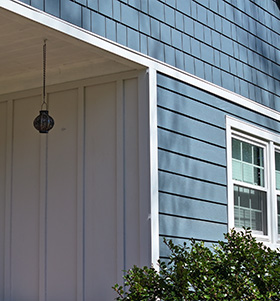
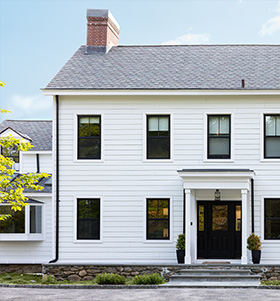
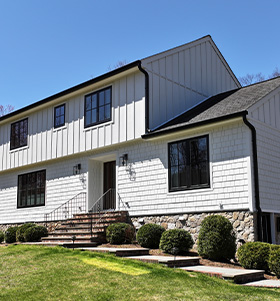
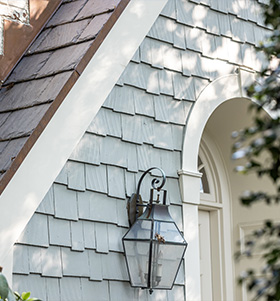
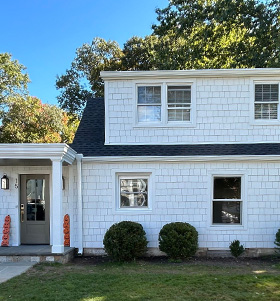

With you at every stage
Dedicated Project Manager
Your dedicated Gunner Project Manager will be on-site and your point of contact for the entire project.Image Updates
We inspect work as it happens and document everything meaning you’ll stay informed. Our work is conducted with meticulous care and precision.
Peace of mind – Built in
We ensure top-quality siding without sacrificing price, service, or craftsmanship.

| QUALITY WITHOUT SACRIFICE | GUNNER | Others |
|---|---|---|
| Award-Winning Service | ||
| Price Match Guarantee | ||
| Dedicated Project Manager | ||
| Forever Warranty | ||
| Premium On-Site Insurances | ||
| Gives Back to the Community |
Customize colors and styles virtually with Hover
Start by taking a few photos of the exterior of your home through the Hover app. You’ll then be able to customize preferred materials, colors and add-ons all on a 3D virtual rendering of your home. See the final look and price all before purchasing.

Quality products: installed with precision
Every product GUNNER installs is tested to be the highest quality and installed by a trained team of experts to exact manufacturer specifications meaning your siding will withstand the test of time and elements.
LEARN MORE ABOUT JAMES HARDIE PRODUCTS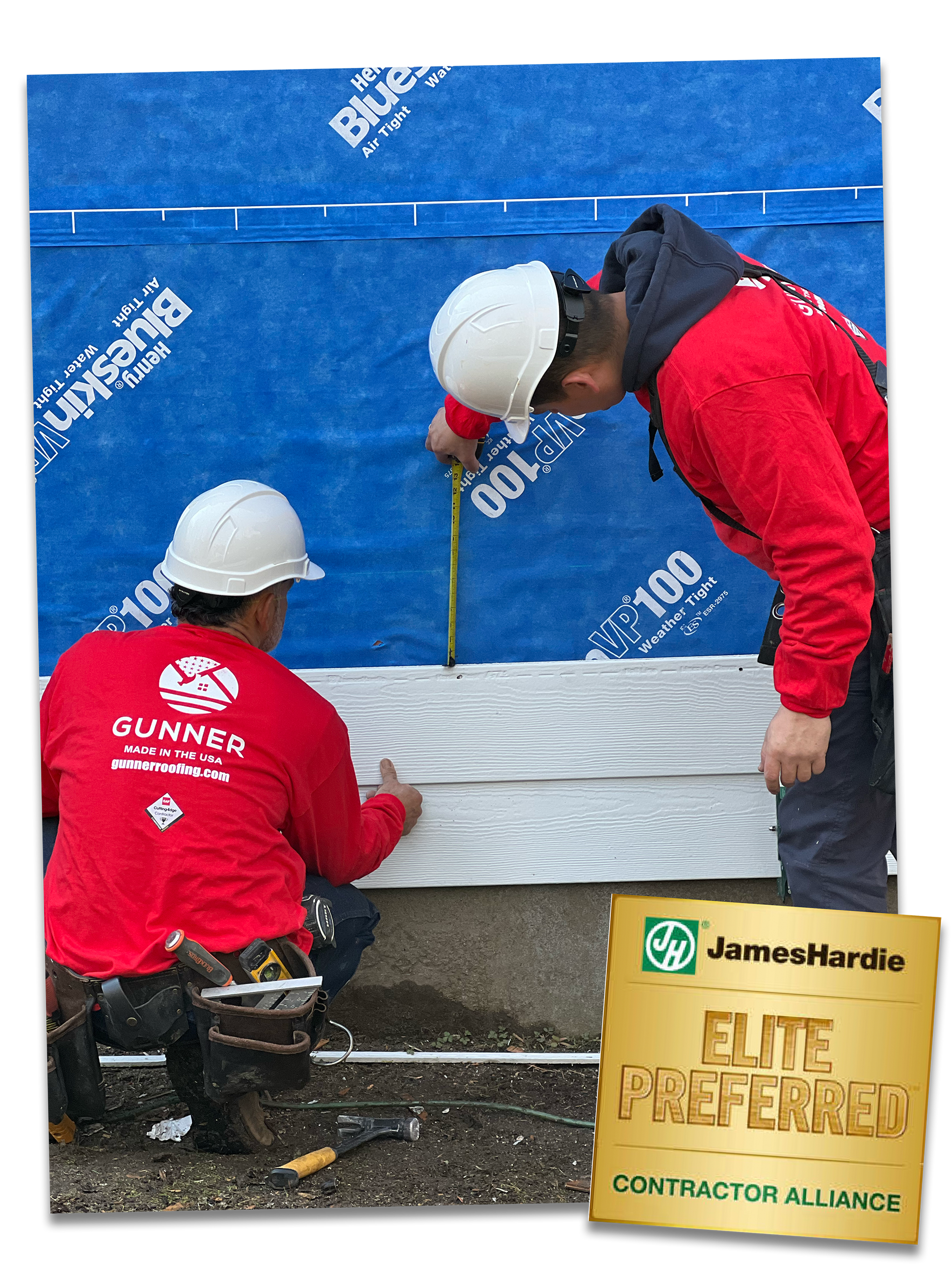
We promise to guide you
Our experts are on hand to guide you through the selection process, ensuring you make the best choice for your specific needs and preferences.

Have questions? We got you.
We promised to make this easy, so let’s start with giving you the answers to the most asked questions. If you want to talk to a real human about this stuff, call 866-262-6005.
GET YOUR QUOTE
Our expert siding services are currently offered in Connecticut, New York, and New Jersey, as we focus on delivering top-quality solutions in these states.
Yes, you can paint vinyl siding if it is properly prepped (cleaned and repaired) and the correct paint is used. Be sure to use a latex-based paint specifically designed for vinyl siding. Once the siding is prepped and the paint is chosen, painting vinyl siding is similar to painting any other type of siding.
Like vinyl, aluminum siding can be painted in the same fashion: Use acrylic latex paint after the surface has been cleaned and dried. Depending on the condition of the siding, you may also need to apply an initial coat of primer.
Vinyl siding can last for decades, all things being equal. The key to making vinyl siding last is proper installation and regular maintenance. But the color can fade over time, and the vinyl can crack or break if hit by a hard object. That’s why we recommend James Hardie fiber cement siding, the most durable in the industry. More than likely, Hardie siding will outlast you.
Hardie fiber cement siding typically will last 30 years or more. Hardie’s proprietary product – composed of Portland cement, sand, water, and cellulose fibers – was designed to last for the lifetime of your home, with minimal upkeep required. Hardie siding is also resistant to fire, rotting, and termites, and carries a 30-year non-prorated warranty (15 years for paint finish), making it your best siding option pound for pound.
The truth is, there’s no single “best” siding product for every home. The ideal choice for you depends on what matters most—whether that’s budget, durability, or a specific aesthetic. We can take a close look at your existing siding, your home’s structure, and the local climate to help you make the best decision.
Anything outside of your home will need a certain degree of upkeep. Generally, siding requires little. Vinyl siding will need power washing to remove that layer of dirt that’s likely built up over time, and fiber cement siding might need fresh paint after 15 years or so. Don’t discount this: It is critical that the gutters work properly so running or splashing water from rain or snow melting off the roof does not have unrestrained access to batter your siding.
Just speaking in very general terms, siding can range from $3 per square foot for basic materials to over $20 or much more per square foot for premium materials. The bottom-line cost of the siding will be determined by the size of your project and labor to install it.
There is no simple answer, as cost can vary greatly depending on several factors, including the type chosen, the size and layout of your home, and the location of it. The best way to find out is to have us evaluate your home in person. You’ll receive an honest and accurate quote that includes removal, materials, installation, and labor.
Board and batten siding consists of wide and narrow boards that are arranged vertically on the exterior of a house. The wider boards are usually made of wood, but they can also be made of vinyl or other materials. Thinner boards called battens (which are typically 1-2 inches wide) are then placed over the joints between the wider boards to give the siding a finished look
Hardie Board lap siding is nailed or screwed to the surface you’re covering. It’s important to use the appropriate fasteners for the substrate and a waterproof sealant around the edges of the board to ensure a watertight seal. Since we’re a JamesHardie Elite Preferred contractor, you know the job will be done right because we know the process and product inside and out.
A typical siding installation usually takes about seven to ten working days to complete. However, the exact timeframe can vary depending on the size and complexity of your home.
When you choose Gunner, our project manager will keep you fully informed from start to finish. Our team is known for being attentive to every detail, ensuring your property is protected and the job site is clean. We’re a straight-shooting partner who prioritizes your needs, so you can count on a stress-free process.
Keeping your property clean and safe is a priority. We use tarps, plywood barriers, and conscientious application of materials to shield your home and yard from debris. We are always prepared for bad weather, so we keep everything watertight. We do our best to remove the stray nails, including a meticulous magnet-sweep of your property at the end. We’ll also have a dumpster on-site. Though it will essentially be full by the end of the project, feel free to throw in the odd empty box you’ve been meaning to dispose of.
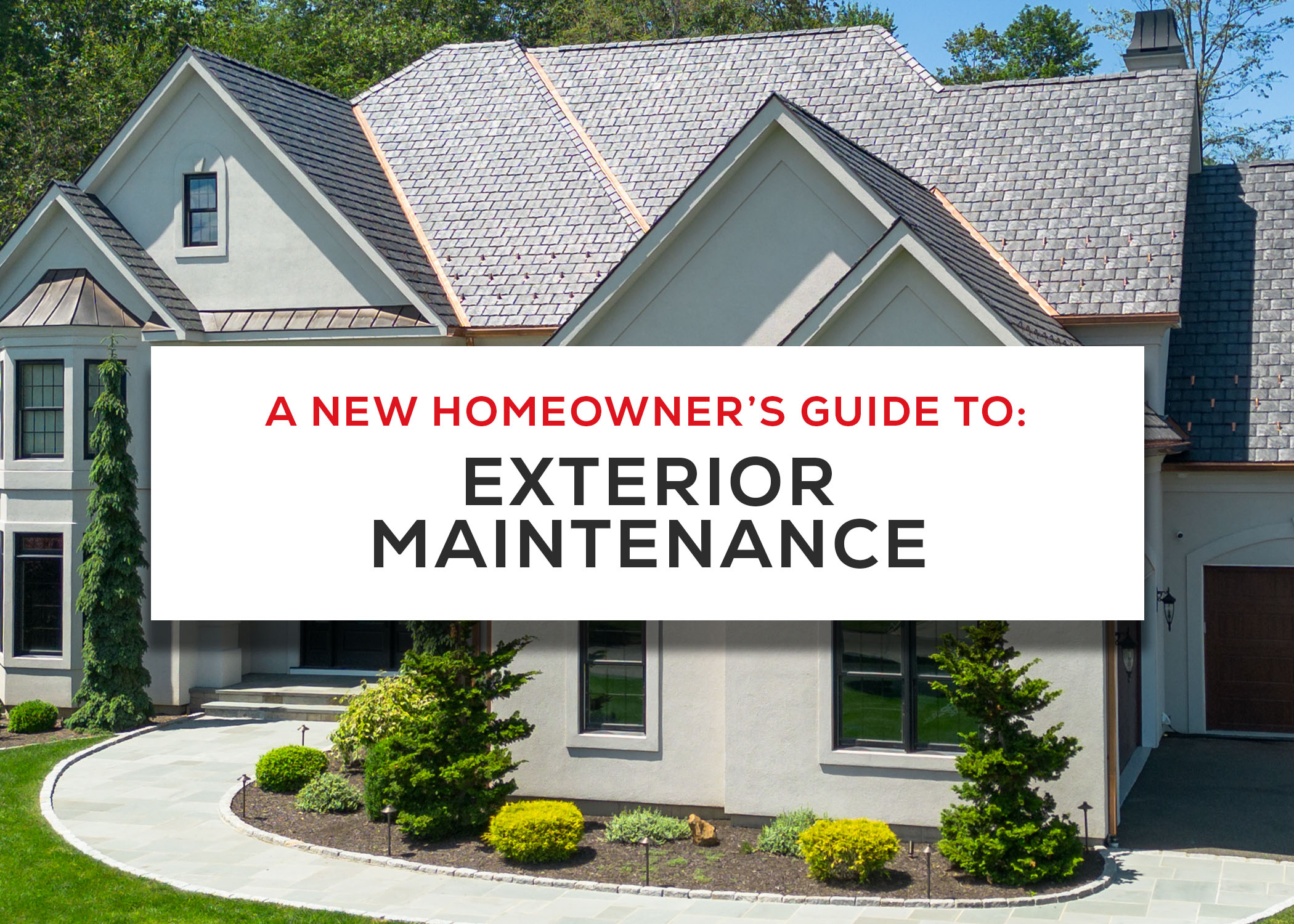
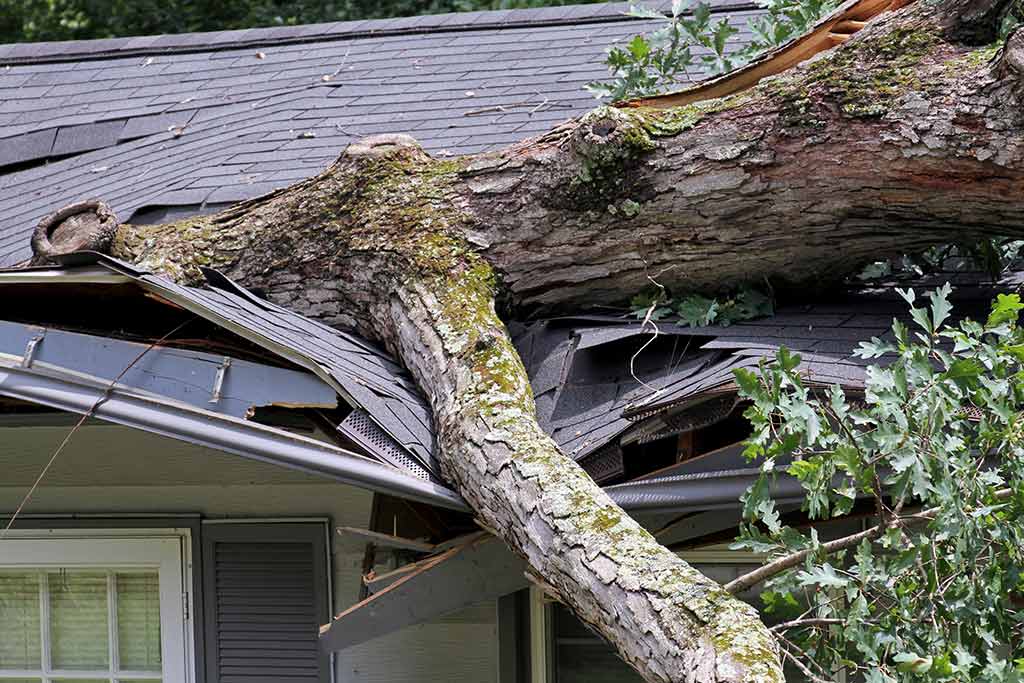
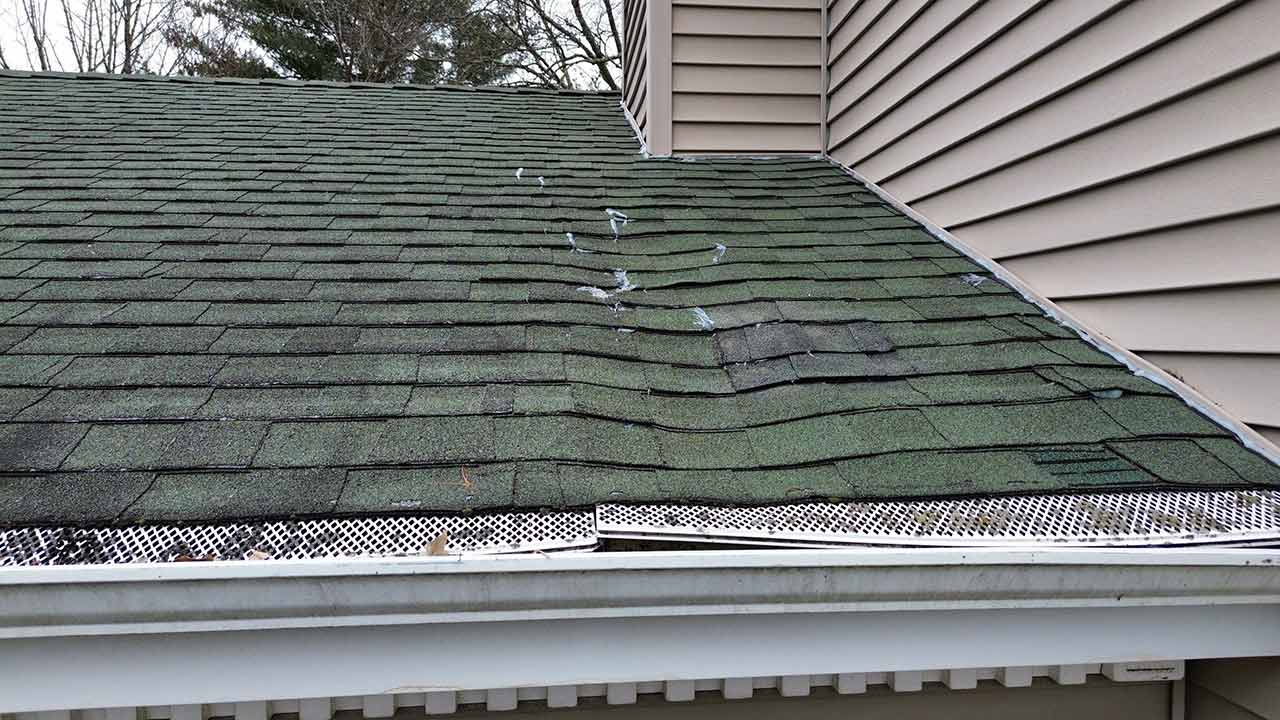
Cracks, Holes, or Warping: Strong winds, impacts, or simply age can cause panels to crack or warp, leaving your home vulnerable to the elements. In colder climates, vinyl siding can become brittle in the winter, making it more prone to cracking.
Fading or Discoloration: Over time, exposure to sunlight and weather can cause siding to fade or discolor, which can negatively affect your home’s curb appeal. Unfortunately, this damage is irreversible. Lighter-colored siding will show fading less than darker colors.
Rotting or Decay: This is a major sign of moisture infiltration, and it’s particularly a concern for wood siding. If you notice soft spots or signs of decay, it’s crucial to address it immediately to prevent structural damage.
Higher Energy Bills: If you’ve noticed a steady increase in your heating and cooling costs, it could be a sign that your old siding is no longer properly insulating your home.
Loose or Missing Panels: This can happen due to high winds, physical damage, or improper installation. Loose panels leave your home’s sheathing and structural components exposed to weather damage and pests.
We pay attention to every detail, and we can spot these issues during our initial inspection, often using drones for a closer look. By addressing problems early, you can save money on more costly repairs down the road.
Your project manager and crew (typically three to six people) will be on-site working hand-in-hand. The size of the team is dependent on the size of the house and potential deadlines.
Your project manager is always available to provide answers and possible solutions. Of course, we’re happy to help through our office as well. You can reach us at 866-262-6005.